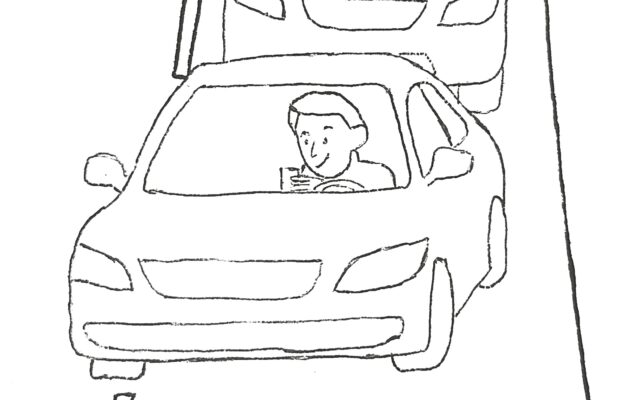
Daily patterns of traffic show how driving courtesy has shifted into a mindset where many motorists focus on just themselves. Driving etiquette is essential in making roads safe and pleasant to use, yet so many people rarely feel this. The need for safer drivers is not a matter of blaming individual people; rather, it is about how small things on the road can shape people. When drivers are conscious and courteous, the road becomes less stressful to navigate and more predictable.
One of the most striking things that falls through the cracks while driving is communicating with signals. Using turn signals is easy to understand, but they are often used belatedly or not at all. According to a study from the Society of Automotive Engineers (SAE), drivers either don’t signal when changing lanes or forget to turn the signals off 48%of the time. When it comes to turning, approximately 25 percent of drivers neglect to signal at all. This little action carries a significant impact in allowing traffic to flow smoothly, reducing the chance of sudden braking or quick lane changes.
Another aspect of driving etiquette is merging. Many roads have areas where drivers have to merge into traffic to keep the flow of cars going. A considerate merge, where drivers take turns (called the zipper method), can provide a rhythm that helps the entire line of cars that can build up during traffic hours. When this courtesy isn’t taken into consideration, congestion can quickly build up, and frustration spreads suddenly. It takes very little to give a person a moment to finish their turn or lane change. A recognition of the shared nature of driving in which every single human has different difficulties or distractions is evidenced in the simple act of yielding.
In modern life, there are many devices, such as phones and car screens and there are responsibilities that come with them. Even so, staying engaged with the road remains essential. With the increase in technology in cars, drivers are more distracted, which can cause a lot of problems on the road. Drivers who stay alert make better decisions and respond to the traffic changes calmly. Such a habit saves not only the driver but also everybody else on the road.
Courtesy extends beyond actions to attitude; a calm approach to driving leads to fewer conflicts and a smoother ride. When drivers let go of the urge to hurry or compete, they help to create a more predictable environment. Respect on the road works much like respect in everyday life: it grows from small choices and influences the people around us. It does not take huge reforms to improve driving etiquette; it begins with individual awareness and consistent, considerate habits. Using mindful signaling, merging in a cooperative spirit, patience, and attention, makes sure everyone is comfortable and safer.