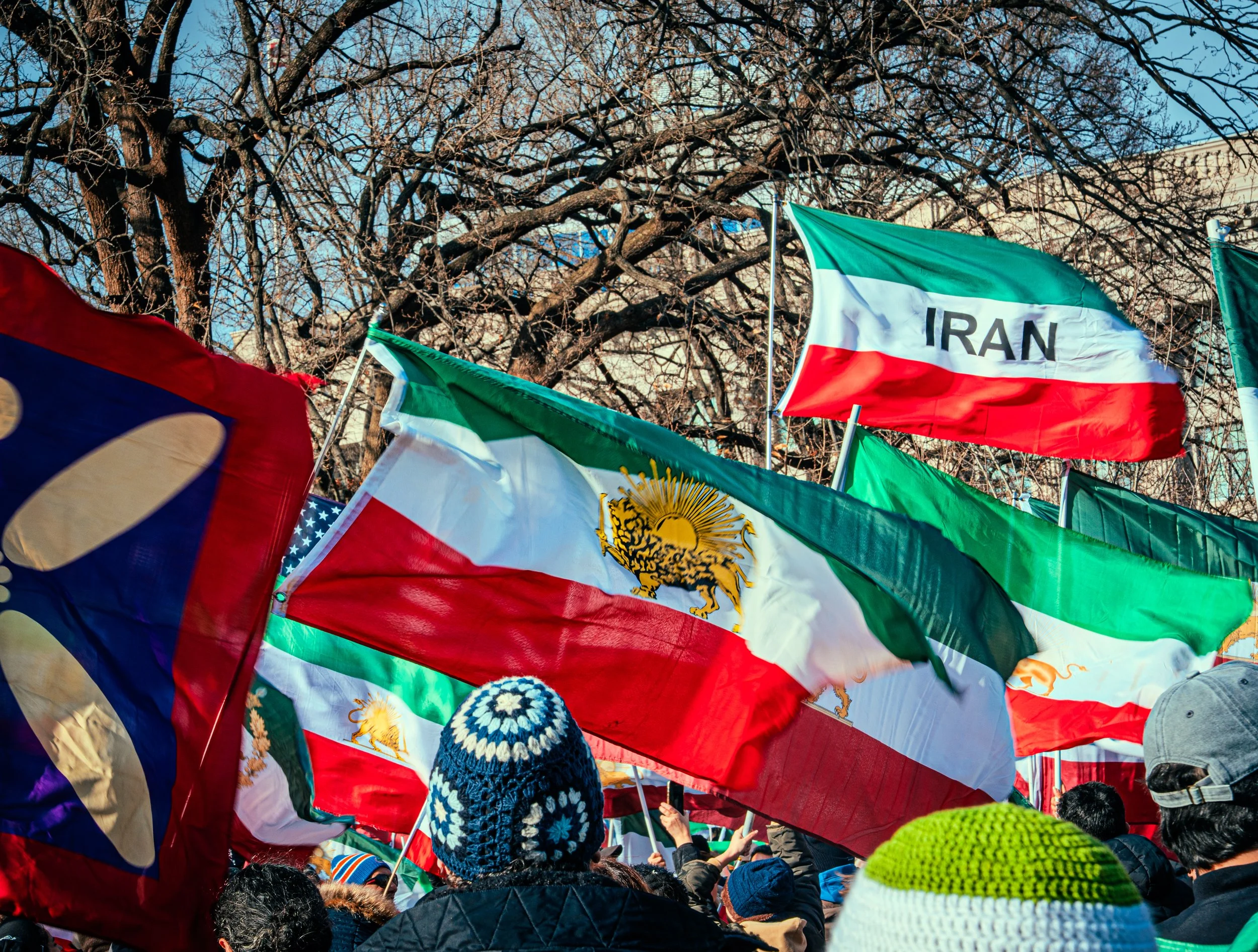
On Feb. 28, the United States and Israel attacked Iran after many weeks of continuous threats from President Donald Trump. The U.S. and Israel used large-scale attacks, targeted at the Iranian military resources, and, in the process, killed the Supreme Leader, Ayatollah Ali Khamenei. The capital of Iran, Tehran, used its Assembly of Experts to help appoint Ali Khamenei’s son, Mojtaba Khamenei, to take his place. In an effort to retaliate, Iran has attempted to target U.S. military facilities, in addition to energy and civilian infrastructure in the Gulf States.
Recently, Iran has also intensified and improved their air strikes, specifically in Lebanon, after a Shiite Muslim political party and militant group called Hezbollah fired rockets into Israel in support of Iran. During this period of war, more than 1,800 people have been killed, and reportedly, 175 students were killed by a U.S. strike on an Iranian Elementary School near a military base. Trump has also made conflicting statements on U.S. military objectives and the path of the conflict.
Currently, the war has developed into a regional war with numerous widespread consequences for the critical supply chains as well as humanitarian aid like food, clean water, shelter and medicine. Iran has effectively closed the Strait of Hormuz, which is a waterway between the Persian Gulf and the Gulf of Oman. The closure has successfully blocked ships associated with the U.S. and its allies following missile strikes. Although not closed to all traffic, the closure and targeted attacks on vessels have greatly affected oil shipments with Iran’s decision to restrict vessel access. This closure has greatly impacted global trade, with oil prices spiking to at least $100 a barrel.
According to the New York Times, “The Trump administration is […] considering new steps to shore up oil supplies” in a clamber for possible solutions to the global energy crisis set off by the U.S. and Israel’s bombing of Iran, and Iran’s wide range of retaliation tactics.
As of Thursday, March 19, NBC News reports that Trump has stated that there will be no further attacks on South Pars in Iran unless Iran attacks Qatar again, in which case, the U.S. would then “massively blow up the entirety” of the gas field. The Iranian military attacked Qatar’s Ras Laffan Industrial City, which is the world’s largest liquefied natural gas facility, causing global oil and gas prices to soar. This has raised the concern that the war in the Middle East is in place to deepen a global energy catastrophe.