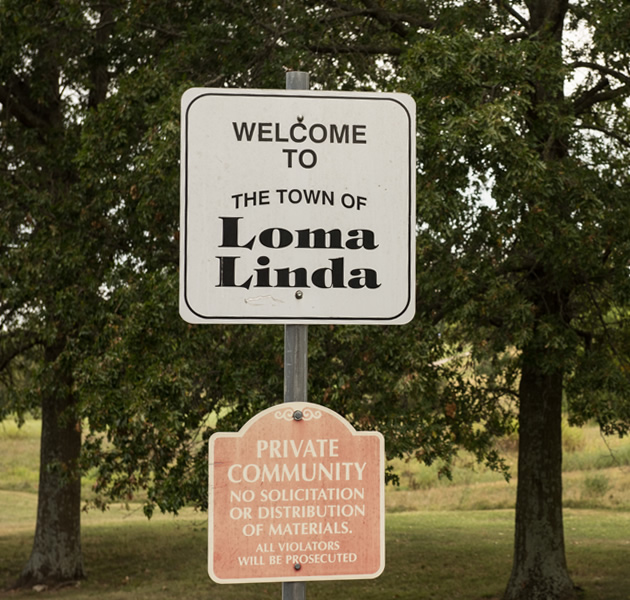
Tucked between the flat northern San Bernardino Valley, Loma Linda is a longevity driven community, where the concentration of Seventh-day Adventists and integration of a whole food diet gives Loma Linda the Blue Zone household name in California. Only an hour away from Newbury Park, the 5th Blue Zone in the world not only projects the importance of an elongated and thoughtful life, but teaches these values to other communities.
Blue zones are geographic regions across the world where the life expectancy reaches 100 or older on an annual and continual level. There are currently five places in the world where this occurs, including- Okinawa (Japan), Sardinia (Italy), Nicoya (Costa Rica), Icaria (Greece), and Loma Linda (California). Founded by journalist, storyteller and researcher, and author of “The Blue Zones: Lessons for Living Longer From the People Who’ve Lived the Longest,” Dan Buettner. And through this, he has not only influenced the public’s view on health and lifespan, but has opened up a deeper conversation about the essential truth of longevity.
Although the success of Buettner’s findings has supported the push and acceptance of longevity globally, his career did not start off this way.
“While most people after college were settling into more traditional careers and doing grown-up things, I was riding my bicycle across continents and setting three Guinness World Records in long-distance cycling expeditions. Those adventures taught me a lot about resilience, curiosity, and the power of exploring the world firsthand,” Buettner said.
Shortly after his time experiencing the world on two wheels, he created and launched the Classroom Connect app.
“This was one of the first online educational platforms, where classrooms across the United States solved real-world mysteries and adventures alongside us. During one of those projects, I stumbled across research on extraordinary longevity in Okinawa, Japan. I became fascinated by the fact that people there were living dramatically longer and healthier lives than Americans” Buettner said.
Alongside the impactful findings by Buettner and his team, and partnering with National Geographic, Buettner’s community-level blue zones Projects has been adopted by dozens of cities and organizations throughout the United States. There seems to be a lot to learn from these communities as they thrive decade after decade, and teach communities about the human condition.
A study by University of Southern California (USC) that evaluated two Danish twins and their life patterns found that only 25% of how long we live is dictated by genes, the other 85 completely lies in lifestyles and habits. Ventura County [VC] is known for having farm fresh produce and a relatively healthy community, driven by many wellness organizations and community initiatives. But, how does health culture in VC compare to those of blue zones?
Jennifer Lockwood, the IB Biology teacher at Newbury Park and head of the school’s science department recognizes the discipline it takes to integrate these practices into daily life.
“People know what they need to do in order to lead healthier lives, but the fast paced world we live in makes it more challenging. If we have the time and resources, focusing on our quality of life will help us live longer, happier lives,” Lockwood said.
There is something that is lost in most of American society that other pockets of the world have seemed to find in community and rest.
“In many parts of the U.S., we’ve normalized overworking and isolation while underinvesting in rest, community, and balance. In blue zones, people certainly work hard, but they also have built in rhythms for connection, downtime, and recovery,” Beuttner said, touching on the effects of American work culture and how this lifestyle differs from blue zone communities.
Integrating healthy habits is the best way to see fulfilling results of longevity and happiness.
“I work out every day and I eat out very rarely. I want to be here as long as possible for my kids and be as healthy as I can while I’m here,” Lockwood said was her way of prioritizing her health. Another way to prolong lifespan and longevity lies in food intake.
“Eating is one of the most important and overlooked pieces of longevity. Americans eat out far too often, and restaurant meals tend to dramatically increase calorie intake while lowering nutritional quality. Cooking at home is one of the best things you can do for both your health and your finances,” Buettner said.
With care, practice and community support, there is a lot to learn from blue zones globally and blue zones just 100 miles from Ventura County.
“People don’t need to move to a blue zone location to benefit from the lessons we’ve learned. They can start by making small changes in their own communities. Walk with neighbors. Share meals with family. Advocate for healthier schools and workplaces. Create spaces where people naturally connect and support one another. The goal isn’t perfection. It’s building a life and environment that consistently supports well being,” Beuttner said.