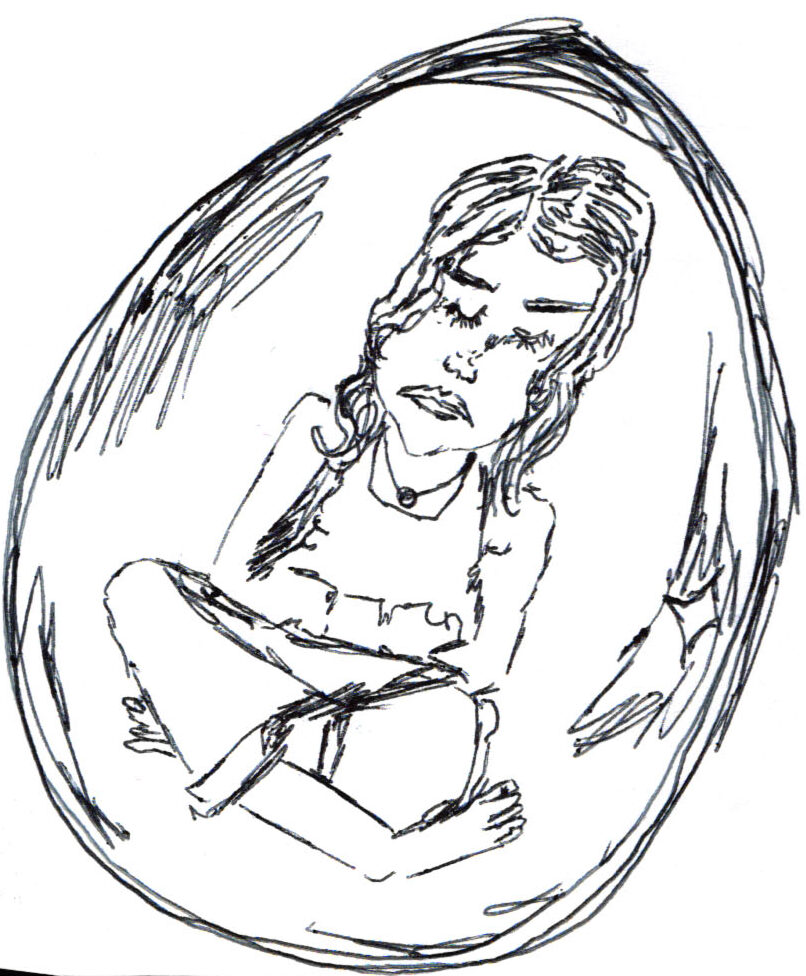
The adolescent years are typically ones adorned with carefree memories and a perfect mix of independence and support. I personally will always look back on these years with nostalgia and love. In these pockets of security, it is also a good time to make mistakes. Growing up is about learning and exploring the world, but as I come to the end of high school, I have observed that some take this bubble and truly run with it. While high school is an ideal environment to explore your interests and meet your people, too many people take it as an opportunity to test the limits of their rebellion.
Personal fable is a psychological term for lacking the ability to think prospectively about consequences, a sort of “It won’t happen to me” mentality. This type of thinking leads people to drive drunk, abuse substances or thrill seek in dangerous circumstances. It is most common in adolescents, branching off of the egocentrism that develops around age 13. Teens basically believe they are invincible, which explains why so many teens find themselves dealing with the repercussions of completely irrational decisions. Precautions or avoidances that would seem like second nature to fully developed adults do not even cross the minds of growing teens.
Any stage of development comes with downfalls, and of course adolescence should remain a safe space for kids to explore their identities and take part in character development. However, there are instances where too much coddling or a lack of proper consequence are likely to end up being more detrimental than the mistakes themselves. Drunk driving is the one that comes to mind most. Besides being obviously illegal, driving drunk is one of the most dangerous situations one can purposefully put themselves in, and in the case of teens, it is often born out of necessity following a party, resulting in carpooling and a wider sphere of affect. Especially in such a financially affluent area, it seems that teens have too much of a safety net waiting underneath their rash decisions.
Without a reaction that matches the weight of their choices, teens will continue to form these habits of not thinking prospectively and having no regard for their future. With a financial fallback, these kids will not be held back from a typical timeline and will continue to move through life with ease. Without the blunt truth of knowing they were irresponsible, teens will only continue in their actions.