Introduction
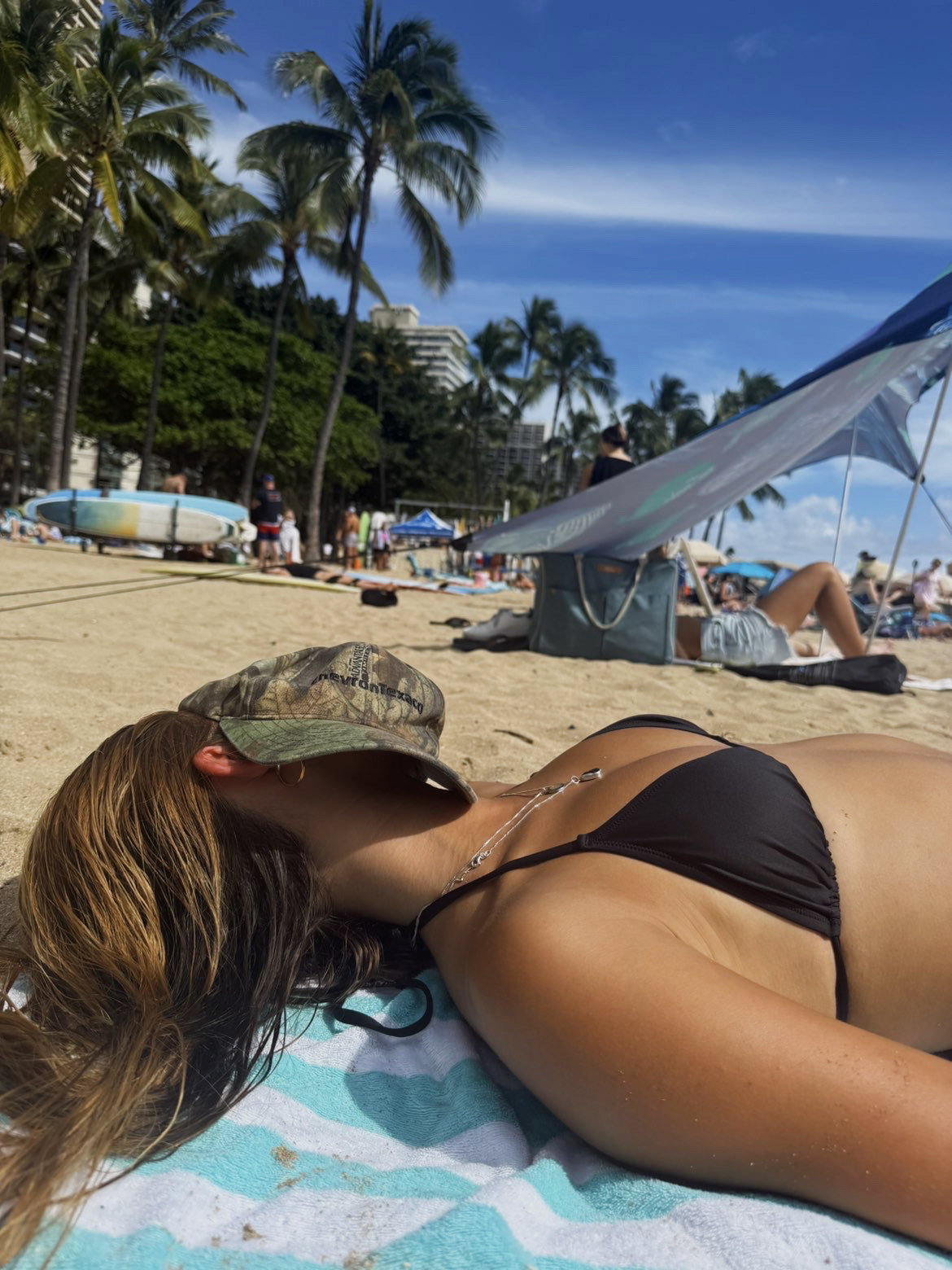
As the bell signifies the end of the school day, many students rush home to tan in the highest level of ultraviolet [UV] radiation possible, in hopes of achieving a sun-kissed look. While trending tan lines are a result, skin cancer also has the potential to develop, leading to serious long-term effects.
The media has played a significant role in the pressure of people wanting to be tan, which contributes to growing concerns about skin cancer and the importance of protecting one’s skin. The Skin Cancer Foundation states that tanning is evidence of DNA injury to your skin, and having five or more sunburns in your life doubles your risk of melanoma. Melanoma is the most serious type of skin cancer that develops in the melanin producing cells and can metastasize, causing cancer in other parts of the body. While many find indoor tanning alternatives to be better options, the risks associated with tanning beds are still present.
Impact on NPHS
Growing up always spending time in the extreme heat of Arizona, Darren Erickson, biology teacher and JV football coach, has faced skin cancer treatment for years and shares his experience with students.
“I am gonna speculate that kids think it’s not as bad of a cancer as, say, maybe, lung cancer or colon cancer, when, in fact, I know that people have lost their lives from it. Because cancer has the ability to metastasize, and that happens, regardless of the cancer,” Erickson said.

While previously Erickson was constantly outside, he now takes sun-conscious measures to avoid worsening his skin cancer and advises his biology students to do the same. Additionally, he informs them about t
he harm tanning causes to DNA cells.
“But I’m gonna tell you right now, in 10, 15 years from now, you are gonna look like a prune. So if you want to enjoy this look right now, understand that you’re paying the price for it later,” Erickson said.
When the ultraviolet [UV] index reaches about seven, Charlotte Lee, junior, can be found tanning outside. Her routine consists of laying out for one to two hours, along with applying coconut oil.
“Both my parents had basal cell carcinoma so I definitely know the consequences of being in the sun. But I do it in moderation and wear sunscreen, so I think it’s safe; plus getting my skin checked regularly,” Lee said.
While Lee was motivated to begin tanning to feel more confident, her routine has led to her needing the removal of moles. While acknowledging the consequences of skin cancer and tanning, Lee continues to tan regardless because of the confidence a tan gives her.
“I’ve always felt my best with a tan,” Lee said.

Alternatives
While tanning culture leads to some stepping outside, others look for alternatives in the form of spray tans, tanning beds and other self-tanning methods. As the summer months approach, Jon Enke, owner of Tan LA in Thousand Oaks, faces an influx of customers looking for tanning alternatives.
“People are getting ready for summer, plus there’s also a lot of events during the spring. You know, weddings, school dances, graduations, that kind of stuff. Our busy season is from March to August. I would say we see upwards of 200 to 300 people a day during those days,” Enke said.
While a spray tan can serve as an alternative to tanning outside, it does not protect your skin from the sun.
“It lasts about a week, so there’s not anything that’s a long time. It’s super gentle on your skin. There’s nothing harmful on your skin, it’s just self-tanner. If you’re going on a vacation, the spray tan’s gonna get you color, but it’s not gonna offer you protection from burning when you’re outside in the sun,” Enke said.
In addition to spray tans, tanning beds are a popular tanning alternative. According to the National Institutes of Health, tanning beds can cause accelerated aging to the skin and an increased chance of melanoma.
Treatment
According to The Skin Cancer Foundation, 9,500 people are diagnosed with skin cancer each day in the United States. The increased rates of skin cancer suggest that the diagnosis and treatment of skin cancers in the U.S. have increased by 77% since 1994.
Ryan Wells, dermatologist and Mohs surgeon, has seen a recent rise in skin cancer patients and believes education about sun protection plays a vital role in seeing those numbers decrease. Mohs surgery is an outpatient procedure that aims to remove and examine high-risk skin cancer while preserving healthy tissue.
“Sunburns and chronic sun exposure both play a role in causing DNA damage that leads to skin cancers. Most of my patients are 40 years old or older, however I have had multiple teenagers that developed skin cancer over the years,” Wells said.
Wells believes that the rising trend of “laying out” in the sun to get tan lines is negative, especially for teenagers.
“If your main focus for being outdoors is to ‘lay out’ or ‘tan’ then you are likely causing damage that will lead to skin aging and potentially to the development of skin cancer down the road,” Wells said.
Wells recommends sun protective clothing, SPF above 30, as well as avoiding outside activities while the UV is at its peak.
“Also, it is important to reapply sunscreen every 2-3 hours, and even more often if sweating, swimming or toweling off. For high schoolers with a first degree relative with a history of malignant melanoma, regardless of amount of sun exposure, I recommend a baseline skin exam with a dermatologist,” Wells said.
Conclusion
As the summer months roll around and the trend of tan lines continues to rise, teens should take precaution when engaging in outdoor activities. Sunscreen with an SPF of 30 or above should be used during the day. Outdoor tanning is not the only option however, self tanning such as spray tans and tanning beds offer alternative ways of tanning.