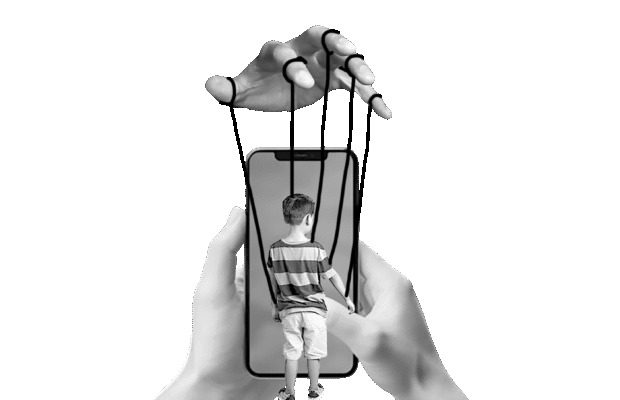
Technology has evolved to the point that in 2026, almost everyone uses social media daily to watch videos featuring people of all ages. However, the ages of children in these videos seem to be getting younger and younger. Because it is so common, children being posted on social media has become the new norm. But once one thinks about what goes into these posts, they will realize these posts are forms of exploitation.
Behind these child influencers are parents pushing their children to post anything that will get them views. Once a video goes viral, the parents feel a sense of validation, which turns into a cycle of exploitation. This effect is worse the younger the children are, since they begin to believe that this is normal and what they are meant to do.
When one imagines normal pillars of childhood, one probably pictures lost teeth, Christmas mornings and school talent shows. However, typical events such as these are often thought of as content for family and child influencers, and the normal reactions or emotions children experience are exploited for content. It is now typical to see videos detailing children’s tantrums, with heavily edited thumbnails and extreme clickbait. This is detrimental to children’s mental health, as they slowly become accustomed to performing for millions of viewers on any given day.
There is a key difference between child actors and influencers. Although exploitation can occur in either setting, there are strict child labor laws and working hours intended to protect child actors. However, child influencers do not have these protections. There are no “working hours,” as content can be filmed at any time, and instead of being managed by a talent agent, most child influencers are managed by their parents. This presents potential issues, as generating monetized content creates financial dependency on the child, which can lead to their childhood becoming a performance rather than an authentic experience.
While the realm of child influencing is relatively new, children have worked in the entertainment industry since the late 1910s. As of Jan. 1, 2026, child influencers are considered “child performers” and are protected through the Coogan Law in states such as California, Utah, Illinois and Minnesota. The law requires 15% of child entertainers’ earnings to be saved directly in trust accounts. However, the Coogan Law has not yet been nationally codified, and this should be the expectation everywhere. It is typical that one’s parents will monitor their social media, acting as their “agent” in a way. It is a sad reality that many children are exploited for content and never see a dime themselves. Although the social-emotional impacts of this career path are jarring, an economic approach (by law) could at least partially protect these children.
Further, there are no regulations protecting the mental health of child influencers. There is an inherently predatory nature of posting children online by subjecting them to harsh public opinion and potential sexualization from viewers. Child influencers, such as Piper Rockelle, have used this sexualization to transition from child influencing into the realm of OnlyFans, which often provide subscription-based pornographic content and images. This drastic change highlights the extent to which these influencers are groomed from a young age online, with their identities and self-worth being molded by audience demand rather than protected by legal safeguards, which leaves them vulnerable to exploitation and psychological harm.
Child influencers cannot truly consent to being in the public eye or fully comprehend the long-term consequences that come with constant exposure. In many cases, it is their parents who initiate, manage and profit from this visibility, prioritizing financial gain and online relevance over their child’s autonomy and well-being. This dynamic places children in a position where exploitation is normalized and justified as an opportunity. In doing so, it raises serious ethical concerns about parental accountability and the need for stronger regulatory oversight.
Nowadays, teenage influencers feel the need to commit to a social media presence in order to succeed, which has led many to drop out of school. This may benefit their social media careers in the short term, but it can hinder their ability to succeed in the future. When these teenage influencers get wrapped up in the way they are perceived, they start to measure their self-worth based on how many likes they get. This sets them up for hardship and disappointment. There must be legal protections in place to separate these influencers’ work life from their regular life, so they can understand that their value is not defined by clicks, likes and views; and develop self-confidence.
Within modern-day social media usage, children and teenagers are commonly exploited by authority figures in their lives for views and money. This leads to a slew of issues, and ultimately, damages vulnerable children and sets them up for failure. While there are some laws used in the attempt to safeguard these children, there needs to be further legal protections used throughout the country to shield them from exploitation, allowing them privacy, safety, consent and financial compensation.